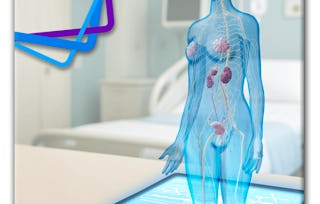
By the end of this course, you will (1) explain pelvic floor anatomy and function within a whole-body framework and (2) apply safe, evidence-based strategies to assess and support pelvic health. Led by physiotherapist and women’s health expert Sonja Forster, this program offers a deep understanding of the pelvic floor’s role in posture, breathing, and core stability.
以 199 美元(原价 399 美元)购买一年 Coursera Plus,享受无限增长。立即节省

Integrated Pelvic Floor Health and Function

包含在 中
您将学到什么
How to assess and address pelvic floor function through movement and breath
How to integrate pelvic health strategies into rehabilitation and wellness care
您将获得的技能
要了解的详细信息

添加到您的领英档案
December 2025
3 项作业
了解顶级公司的员工如何掌握热门技能

积累特定领域的专业知识
- 向行业专家学习新概念
- 获得对主题或工具的基础理解
- 通过实践项目培养工作相关技能
- 获得可共享的职业证书

该课程共有12个模块
Explore the anatomy, physiology, and function of the pelvic floor through a holistic lens with Sonja Forster, Physiotherapist and Women’s Health Specialist. This course examines how pelvic floor health influences posture, breathing, core stability, and overall well-being in women. You’ll learn to identify signs of pelvic floor dysfunction, understand the interplay between musculoskeletal and visceral systems, and apply evidence-based strategies for assessment and treatment. Through detailed instruction and guided demonstrations, this course equips therapists to address incontinence, pain, and dysfunction with sensitivity and confidence—empowering clients to restore balance and strength from within.
涵盖的内容
3个视频2篇阅读材料1个作业1个讨论话题
This module provides a clear understanding of the bony structures that form the foundation of the pelvic floor. Learners will explore the anatomy of the spine, pelvis, and sacroiliac region, including key landmarks and the structural differences between the male and female pelvis. By connecting skeletal alignment to function, this module helps practitioners recognize how posture, load transfer, and pelvic positioning contribute to symptoms and movement strategies in clinical practice.
涵盖的内容
5个视频
This module provides a detailed look at the structure and layered organization of the pelvic floor muscles, including their attachments, innervation, and functional roles in continence, support, stabilization, and pelvic organ health. Learners will explore how each muscular layer contributes to breathing, posture, and coordinated core activation — and why dysfunction can lead to pain, leakage, or movement compensations. This foundational knowledge supports accurate assessment and evidence-based clinical decision-making.
涵盖的内容
5个视频
This module explains how the autonomic nervous system (ANS) influences pelvic floor function, bladder and bowel control, pain responses, and overall regulation of the internal environment. Learners will explore the interaction between sympathetic and parasympathetic pathways and how stress, anxiety, and trauma can alter muscle tone, breathing, and pelvic floor behavior. Understanding these neural mechanisms helps therapists integrate nervous-system-informed strategies into assessment and treatment.
涵盖的内容
1个视频
This module explores how the pelvic floor muscles coordinate with respiration, posture, and core systems to provide support, stability, and continence. Learners will examine the roles of contraction, relaxation, and reflexive activation, and understand how muscle performance changes in response to hormonal shifts, stress, or dysfunction. Practical concepts help therapists recognize imbalances such as over-recruitment, weakness, and delayed activation.
涵盖的内容
2个视频
This module examines how the pelvic floor integrates with the diaphragm, deep abdominals, and multifidus to form the core support system. Learners will explore coordinated activation among these structures and how dysfunctional patterns—such as breath-holding, abdominal gripping, or spinal instability—can influence pelvic health. The focus is on functional anatomy and practical awareness to support safe, efficient movement in clinical care.
涵盖的内容
2个视频
This module emphasizes the importance of viewing the pelvic floor within the context of the whole body. Rather than isolating individual muscles, learners are encouraged to consider posture, breath, movement, nervous system influence, and lifestyle factors when assessing and supporting pelvic health.
涵盖的内容
2个视频
This module introduces a structured pelvic floor assessment approach that integrates physical evaluation with bio-psychosocial considerations. Learners observe postural screening, functional testing, and bladder/bowel/sexual health questioning while developing communication skills that support client comfort, trust, and accurate reporting. The focus is on identifying meaningful contributors to symptoms and guiding safe, individualized care plans.
涵盖的内容
10个视频
This module provides guided mobility and movement strategies that support pelvic floor function through whole-body integration. Students learn exercises that coordinate breath, core activation, and joint mobility to reduce tension, support optimal pelvic positioning, and improve functional stability. These movements offer practical options for clients experiencing discomfort, rigidity, or movement hesitation related to pelvic floor dysfunction.
涵盖的内容
13个视频
This module provides an opportunity to apply key concepts from the course through self-directed activities and reflective practice. Learners will deepen their understanding by analyzing case examples, reinforcing assessment skills, and integrating appropriate movement and treatment strategies into practical scenarios.
涵盖的内容
1个作业
This final module reviews the key concepts covered throughout the course and reinforces how they integrate into clinical practice. Learners will reflect on gained knowledge, confirm their understanding of core principles, and prepare for the final exam required for course completion.
涵盖的内容
1个视频1个讨论话题
This final exam is designed to assess your understanding of the key concepts presented throughout the course. Please review all video lessons and written materials before beginning. A passing score of 70% or higher is required to successfully complete the course and earn your CE certificate. You may reference your notes during the exam. Once you pass, your certificate will be available for immediate download.
涵盖的内容
1个作业
获得职业证书
将此证书添加到您的 LinkedIn 个人资料、简历或履历中。在社交媒体和绩效考核中分享。
位教师

从 Patient Care 浏览更多内容
Niel Asher Education

状态:免费试用
Niel Asher Education

Niel Asher Education

人们为什么选择 Coursera 来帮助自己实现职业发展


常见问题
To access the course materials, assignments and to earn a Certificate, you will need to purchase the Certificate experience when you enroll in a course. You can try a Free Trial instead, or apply for Financial Aid. The course may offer 'Full Course, No Certificate' instead. This option lets you see all course materials, submit required assessments, and get a final grade. This also means that you will not be able to purchase a Certificate experience.
When you enroll in the course, you get access to all of the courses in the Specialization, and you earn a certificate when you complete the work. Your electronic Certificate will be added to your Accomplishments page - from there, you can print your Certificate or add it to your LinkedIn profile.
Yes. In select learning programs, you can apply for financial aid or a scholarship if you can’t afford the enrollment fee. If fin aid or scholarship is available for your learning program selection, you’ll find a link to apply on the description page.
更多问题
提供助学金,