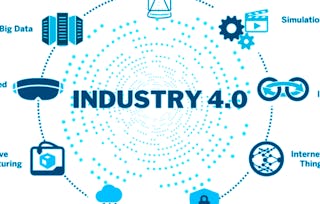
This course explores the integration of Flexible Manufacturing Systems (FMS) with Lean Manufacturing principles, emphasizing how a lean transformation facilitates robotics and automation. Participants gain a solid understanding of FMS and Lean principles, delve into Lean tools integration within FMS, and explore robotics and automation integration for enhanced adaptability and precision in manufacturing.
Through interactive video lectures, case study analyses, and scenario-based learning activities, participants acquire hands-on skills in optimizing manufacturing processes. Real-world examples highlight successful implementations of FMS, Lean principles, robotics, and automation, fostering skill-building and empowering participants to drive continuous improvement in manufacturing environments.
Designed for manufacturing engineers, operations managers, lean practitioners, and robotics enthusiasts, this intermediate to advanced course offers practical problem-solving experiences and critical analysis of manufacturing scenarios. Pre-requisites include a basic understanding of manufacturing principles and familiarity with Lean concepts, though not mandatory.
Module 1 provides a comprehensive introduction to Flexible Manufacturing Systems (FMS), covering the core concepts, components, types, and applications of FMS in modern manufacturing. Through a series of video lectures and suggested readings, learners gain insights into the importance of flexibility in manufacturing, types of FMS, and real-world applications across various industries.
涵盖的内容
10个视频4篇阅读材料1个作业
显示有关单元内容的信息
10个视频•总计46分钟
Introduction and Welcome•3分钟
An Overview of FMS•4分钟
Core Components of FMS •4分钟
Importance of Flexibility in Manufacturing•5分钟
CNC Machines and Robotics•3分钟
Automated Guided Vehicles (AGVs)•4分钟
Computer Integrated Manufacturing (CIM)•6分钟
FMS in Automotive Industry •7分钟
FMS in Electronics Manufacturing•5分钟
An FMS Implementation Example •6分钟
4篇阅读材料•总计20分钟
Welcome to the Course: Course Overview•5分钟
Flexible Manufacturing System•5分钟
What are Automated Guided Vehicle Systems?•5分钟
3 Applications Of Automation In The Automotive Industry•5分钟
1个作业•总计20分钟
Introduction to Flexible Manufacturing Systems (FMS)•20分钟
Introduction to Lean Manufacturing
第 2 单元•小时 后完成
单元详情
Module 2 introduces learners to the foundational concepts of Lean Manufacturing, focusing on its principles, tools, techniques, and implementation strategies.
涵盖的内容
9个视频3篇阅读材料1个作业2个讨论话题
显示有关单元内容的信息
9个视频•总计48分钟
Introduction to Module 2•2分钟
Overview of Lean Principles •5分钟
Types of Waste in Lean •4分钟
Continuous Improvement in Lean •6分钟
5S Methodology •6分钟
Kanban System •6分钟
Implementing Lean in Manufacturing – Part 1 •6分钟
Implementing Lean in Manufacturing - Part 2 •6分钟
Implementing Lean in Manufacturing – Part 3 •6分钟
3篇阅读材料•总计15分钟
Where to Start Your Kaizen?•5分钟
Value Stream Mapping •5分钟
The Difference between the Toyota Production System and Lean Manufacturing•5分钟
1个作业•总计20分钟
Introduction to Lean Manufacturing•20分钟
2个讨论话题•总计10分钟
Kaizen Principles: Cultivating a Culture of Continuous Improvement•5分钟
Challenges and Strategies for Lean Implementation•5分钟
Bridging the Gap: Integrating FMS with Lean
第 3 单元•小时 后完成
单元详情
Module 3 delves into the process of integrating Flexible Manufacturing Systems (FMS) with Lean principles. Participants will explore the significance, challenges, and benefits of combining these methodologies, along with strategies for effective implementation.
涵盖的内容
10个视频3篇阅读材料1个作业2个讨论话题
显示有关单元内容的信息
10个视频•总计56分钟
Introduction to Module 3•2分钟
Importance of Integration •4分钟
Common Challenges •6分钟
Benefits of Combining FMS and Lean •7分钟
Aligning FMS with Lean Goals •6分钟
Enhancing Efficiency through Integration – Part 1 •6分钟
Enhancing Efficiency Through Integration – Part 2 •6分钟
Leadership Commitment and Vision Setting •5分钟
Employee Training and Engagement•7分钟
Monitoring and Continuous Improvement •6分钟
3篇阅读材料•总计15分钟
Lean and Industry 4.0•5分钟
What Is Lean Manufacturing? •5分钟
The Leadership Behaviors Supporting a Lean Transformation•5分钟
1个作业•总计20分钟
Bridging the Gap: Integrating FMS with Lean•20分钟
2个讨论话题•总计10分钟
Strategies for Overcoming Cultural Resistance and Promoting Integration•5分钟
Challenges in Integrating FMS with Lean Principles•5分钟
Real-world Applications and Future Trends
第 4 单元•小时 后完成
单元详情
Real-world Applications and Future Trends explores the practical implementation of Lean principles alongside Flexible Manufacturing Systems (FMS) and delves into emerging technologies shaping the future of manufacturing.
涵盖的内容
11个视频3篇阅读材料1个作业2个讨论话题
显示有关单元内容的信息
11个视频•总计55分钟
Introduction to Module 4•3分钟
A Real-world Example of FMS-lean Integration •6分钟
Challenges to Overcome in Implementation •6分钟
Lessons Learned from the Real-world Case •5分钟
Industry 4.0 and its Impact •7分钟
AI and Machine Learning in Manufacturing •5分钟
Future Trends and Innovations •4分钟
Recap of Key Concepts •6分钟
Addressing Common Questions •6分钟
Looking Ahead: Future of Flexible and Lean Manufacturing•7分钟
Wrap Up and Key Takeaways•2分钟
3篇阅读材料•总计25分钟
Luxury Car Assembly at Audi and Daimler•5分钟
Interview on the David Pakman Show on the Future of Manufacturing •10分钟
Why Lean Manufacturing is the Future in 2030 ?•10分钟
1个作业•总计20分钟
Real-world Applications and Future Trends •20分钟
2个讨论话题•总计10分钟
Overcoming Cultural Resistance and Balancing Innovation with Employee Concerns•5分钟
Implementing Autonomous Manufacturing and AI Decision-Making: Challenges & Solutions•5分钟
Coursera brings together a diverse network of subject matter experts who have demonstrated their expertise through professional industry experience or strong academic backgrounds. These instructors design and teach courses that make practical, career-relevant skills accessible to learners worldwide.
When will I have access to the lectures and assignments?
To access the course materials, assignments and to earn a Certificate, you will need to purchase the Certificate experience when you enroll in a course. You can try a Free Trial instead, or apply for Financial Aid. The course may offer 'Full Course, No Certificate' instead. This option lets you see all course materials, submit required assessments, and get a final grade. This also means that you will not be able to purchase a Certificate experience.
What will I get if I purchase the Certificate?
When you purchase a Certificate you get access to all course materials, including graded assignments. Upon completing the course, your electronic Certificate will be added to your Accomplishments page - from there, you can print your Certificate or add it to your LinkedIn profile.
Is financial aid available?
Yes. In select learning programs, you can apply for financial aid or a scholarship if you can’t afford the enrollment fee. If fin aid or scholarship is available for your learning program selection, you’ll find a link to apply on the description page.