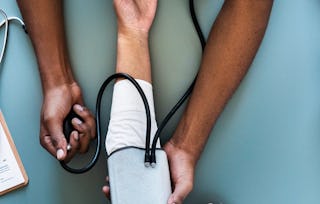
This course explores the structure and function of the cardiovascular system, providing a comprehensive foundation in both anatomy and physiology. Learners will study the heart’s chambers, valves, and conduction system, as well as the major blood vessels that maintain systemic and pulmonary circulation. The course also examines key physiological principles such as cardiac output, blood flow regulation, and blood pressure control. Through detailed visuals, clinical examples, and guided review materials, students will develop a clear understanding of how the cardiovascular system sustains life and responds to physiological demands—essential knowledge for nursing, medical, and allied health education.
Unlock access to 10,000+ courses with Coursera Plus. Start 7-Day free trial.


Cardiovascular System: Anatomy & Physiology
包含在 中
您将学到什么
Identify the structural components of the heart and great vessels
Describe the pathway of blood flow through the circulatory system
Explain how the cardiac conduction system coordinates heart function
Discuss the physiological factors influencing cardiac output and blood pressure
您将获得的技能
要了解的详细信息

添加到您的领英档案
October 2025
9 项作业
了解顶级公司的员工如何掌握热门技能

积累特定领域的专业知识
- 向行业专家学习新概念
- 获得对主题或工具的基础理解
- 通过实践项目培养工作相关技能
- 获得可共享的职业证书

该课程共有2个模块
The cardiovascular system consists of the heart, blood, and blood vessels. As this course provides a detailed look at the structure of this system, a basic understanding of the function of the cardiovascular system would assist in comprehension. A healthy understanding of the structure of the cardiovascular system is vital for every nurse regardless of their place of work, as nearly every nursing intervention has the potential to impact this system.
涵盖的内容
6个视频6篇阅读材料3个作业
This module provides essential knowledge of cardiac physiology critical for nursing practice. Students will explore the basic structure and function of the heart, the mechanisms that regulate cardiac rhythm, and the components of a normal cardiac cycle. The module emphasizes key cardiac parameters including stroke volume and cardiac output, the electrical conduction system of the heart, and the interpretation of heart sounds. Students will examine electrocardiogram basics and learn to recognize normal cardiac function. The module also addresses common cardiovascular disorders and their clinical management, preparing students to identify significant changes in patient status such as cardiac arrhythmias, blood pressure variations, perfusion changes, and altered urine output. Through this exploration, learners will develop the cardiovascular knowledge necessary to monitor patients effectively, recognize early warning signs of cardiac compromise, and respond appropriately during cardiac emergencies and resuscitation efforts.
涵盖的内容
18个视频5篇阅读材料6个作业
获得职业证书
将此证书添加到您的 LinkedIn 个人资料、简历或履历中。在社交媒体和绩效考核中分享。
提供方
从 Basic Science 浏览更多内容
状态:免费试用
状态:免费试用University of Michigan
状态:免费试用Rice University
状态:预览Duke University
人们为什么选择 Coursera 来帮助自己实现职业发展


常见问题
To access the course materials, assignments and to earn a Certificate, you will need to purchase the Certificate experience when you enroll in a course. You can try a Free Trial instead, or apply for Financial Aid. The course may offer 'Full Course, No Certificate' instead. This option lets you see all course materials, submit required assessments, and get a final grade. This also means that you will not be able to purchase a Certificate experience.
When you enroll in the course, you get access to all of the courses in the Specialization, and you earn a certificate when you complete the work. Your electronic Certificate will be added to your Accomplishments page - from there, you can print your Certificate or add it to your LinkedIn profile.
Yes. In select learning programs, you can apply for financial aid or a scholarship if you can’t afford the enrollment fee. If fin aid or scholarship is available for your learning program selection, you’ll find a link to apply on the description page.
更多问题
提供助学金,